Blog

Explore news, articles, and other information.

How to Use Wall Molding to Make a Dining Room Feel More Intentional

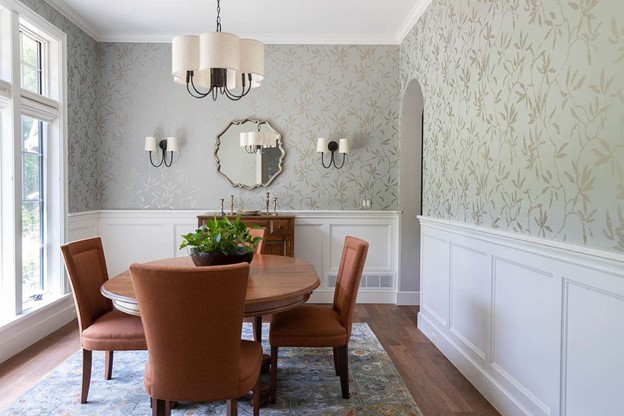
Wall molding makes a dining room feel more intentional by giving plain walls structure, depth, and a clear design rhythm. If the room feels unfinished even after new furniture or paint, the issue may not be the decor. It may be that the walls are asking the furniture to do too much. This is why homeowners often compare trim work with updates like kitchen cabinets painting augusta ga both choices change how connected and finished nearby spaces feel. The right molding plan can make a dining room look built-in, balanced, and personal without needing a full renovation. Why does my dining room feel unfinished? A dining room often feels unfinished because the walls are flat, the paint color is doing all the work, or the furniture feels disconnected from the room itself. Wall molding adds a permanent design layer that makes the space feel planned instead of filled. What does wall molding do for a dining room? Wall molding creates visual order. It can frame the room, add height, make large walls feel less blank, and create a more polished backdrop for furniture, lighting, and artwork. Special Places, Personal Spaces designs and installs custom millwork, including wainscoting, judges paneling, crown molding, coffered ceilings, faux beams, custom trim, and painting. That means the design can be fitted to your room instead of copied from a picture that may not match your ceiling height, wall spacing, or furniture scale. What is the difference between wall molding, wainscoting, and judges paneling? Wall molding is a broad term for decorative trim applied to walls. Wainscoting usually covers the lower portion of the wall. Judges paneling has a richer, more formal look and can make a dining room feel more architectural. A simple picture-frame layout can feel clean and updated. Wainscoting feels classic. Judges paneling can create a more traditional, high-detail room. How high should dining room wainscoting be? Dining room wainscoting height should match the room’s proportions, not a random rule from the internet. Ceiling height, window placement, furniture size, and chair rail location all affect what looks balanced. If the panels are too tall, the room can feel crowded. If they are too short, the wall treatment may look accidental. Good millwork should feel like it belongs to the house. Should you use one accent wall or the whole room? Use one accent wall if you want a strong focal point behind a buffet, table, or main view into the room. Treat the whole room if you want the dining space to feel more formal, complete, and architectural. An accent wall can work well for a smaller space or tighter budget. Full-room molding works better when the goal is to make the dining room feel like a true destination. How should paint work with dining room molding? Paint can make molding feel subtle, bold, modern, or traditional. Tone-on-tone paint, where the wall and molding are the same color, creates a softer look. Contrast trim feels sharper and more classic. Connected spaces should also be considered. If the dining room opens toward the kitchen, cabinet color, wall color, and trim color should feel related. A kitchen cabinet painter may focus on the cabinets, but the best overall result comes from thinking about how those cabinets connect to nearby molding, walls, and trim. How do trim and cabinet updates connect in nearby rooms? Trim and cabinet updates should be planned together if the dining room and kitchen are visible from each other. Searches for kitchen cabinets painting in Augusta, GA often start with the kitchen, but the finished result can feel stronger when the nearby dining room trim supports the same design direction. This is especially true in open or semi-open homes. One room’s finish choices affect the next room, so molding, paint, cabinet color, and trim should feel coordinated rather than separate. What should you review before calling a millwork company? Before calling a millwork company, take photos of the room from each corner, note which furniture will stay, and save a few examples of styles you like. Decide whether you want the room to feel formal, cozy, modern, classic, or quietly upgraded. When reviewing a portfolio, look for clean corners, balanced spacing, smooth paint, and trim that fits the room’s size. Special Places, Personal Spaces offers a portfolio that helps homeowners compare real examples before deciding what kind of detail feels right. Ready to make your dining room feel finished? The best wall molding does not feel added on. It makes the room feel like it was always meant to look that way. Paint changes the mood, but molding changes the structure, and that can be the missing piece when a dining room feels almost right but not complete.If you’re comparing trim, paint, connected finishes, or kitchen cabinets painting in Augusta, GA as part of a larger interior refresh, start with real examples. See our portfolio at Special Places, Personal Spaces.

Read More »
Custom Trim

How Custom Trim Can Make a Newer Augusta Home Feel More Finished and Less Plain

A newer home can look clean, updated, and perfectly functional while still feeling a little plain. That usually happens when the rooms are missing the architectural details that give them shape, depth, and a stronger sense of intention.  That is why homeowners who start looking into custom molding and millwork are often trying to solve a design problem, not just add decoration. The real frustration is that paint, furniture, and decor do not always fix it. A room can still feel flat after you have already spent money trying to warm it up. What changes the result is adding detail to the structure of the room itself, so the space feels more finished, more tailored, and less like it stopped at the builder-basic stage. Why does a newer home still feel unfinished? A newer home often feels unfinished because the surfaces are there, but the visual framing is not. Plain walls, minimal ceiling detail, simple casing, and long uninterrupted lines can make a room feel more completed than designed. That is usually the difference homeowners are reacting to, even if they do not describe it that way at first. The house is not necessarily missing square footage or better furniture. It is missing the architectural detail that helps each room feel grounded. What trim makes a newer house look more finished? The best trim upgrade depends on where the room feels thin. Crown molding can sharpen the transition between wall and ceiling. Wall treatments like wainscoting and judges paneling can make blank walls feel more intentional. Ceiling features can add depth in spaces that otherwise feel flat. We help homeowners sort that out room by room, because custom trim should be planned around the actual home, not copied from generic inspiration photos. Special Places, Personal Spaces offers design and installation for crown molding, coffered ceilings, faux beams, wainscoting, judges paneling, painting, and full trim packages in Augusta and the surrounding area. Is crown molding enough to change the feel of a room? Sometimes yes. Sometimes no. Crown molding can make a big impact when the room already has good balance and just needs a stronger finish line at the ceiling. It is often a smart first move for homeowners who want a cleaner, more polished look without turning the whole room into a larger project. But if the walls still feel blank or the room still feels visually thin, crown by itself may not go far enough. That is where many people realize the issue was not just the ceiling line. It was the entire backdrop. Why blank walls are often the real problem A lot of newer homes have large walls with very little architectural break-up. That can make even nice rooms feel generic. Homeowners often try to solve that with art, shelving, or furniture changes, but the room still does not quite settle. We see better results when the walls get some structure. Wainscoting and judges paneling add rhythm, framing, and a stronger sense of proportion, especially in dining rooms, hallways, offices, stairways, and other spaces that benefit from more visual definition. The company specifically highlights those room types as strong fits for these treatments. How do wall treatments change the room without changing the footprint? They change how the room reads. That is the value of wall trim. You are not adding square footage, but you are adding order, detail, and character. A plain wall starts feeling designed. A transition space starts feeling intentional. The room begins to carry more presence without needing a full renovation. This is also where custom room design matters more than homeowners expect. Good trim is not just about adding more wood to the wall. It is about getting the layout, spacing, and proportions right for that specific space. That personalized approach is one of our specialties, from helping homeowners choose the right trim style to customizing the design so it feels like it belongs in the home from the beginning. How do ceiling details make a room feel less plain? Ceiling details pull the eye upward and give the room another layer of architecture. In a newer home, that can be the difference between a boxy room and one that feels finished from top to bottom. We offer coffered ceilings and faux beam ceiling features for exactly that reason. Coffered ceilings can add depth and a more tailored look in living rooms, dining rooms, and primary suites, while faux beams bring warmth and visual interest without major structural changes. Those are two very different tools, but both solve the same problem: a ceiling plane that feels too flat. Why proportions matter more than adding more trim More trim does not automatically mean better design. If the profiles are too heavy, too thin, or poorly spaced for the room, the result can feel forced instead of refined. That is why planning matters. The company states that every wainscoting layout, judges panel, and coffered ceiling is planned specifically for the space, with help choosing profiles, proportions, and layouts that match the home’s style. That kind of design guidance helps prevent the common mistake of copying a look that does not actually fit the room. What rooms benefit most from custom trim? Living rooms, dining rooms, entry areas, stairways, offices, and primary bedrooms are often the best places to start. These are the rooms where homeowners notice plainness the fastest because they carry so much of the home’s visual identity. We usually encourage people to start where the home feels the most incomplete, not necessarily where the project feels easiest. One strong room can often do more for the overall feel of the house than a smaller upgrade spread too thinly. What should you do if your newer home feels plain? Start by identifying whether the room needs better ceiling detail, stronger wall structure, cleaner casing, or a more complete trim package from room to room. That gives the project a purpose beyond “make it nicer.”If you are thinking about custom molding and

Read More »
custom wood services

The Difference Between Wainscoting, Judges Paneling, and Picture Frame Molding

Wainscoting, judges paneling, and picture frame molding all add detail to a wall, but they do not create the same result. Wainscoting usually covers the lower portion of the wall and adds structure and protection.  Judges paneling creates a deeper, more formal paneled look. Picture frame molding is often lighter and more decorative. If you are comparing options for interior design in Augusta, GA, the right choice depends less on the label and more on how the design fits your room. That is where many homeowners get stuck. A style that looks polished in one home can feel too heavy, too plain, or out of proportion in another. The real risk is choosing a wall treatment from photos alone, then realizing it does not match your ceiling height, room size, or overall style.  A custom approach changes that outcome because the layout is designed around your space instead of forced into it. What is the difference between wainscoting, judges paneling, and picture frame molding? The biggest difference is how much wall each option covers and how strong a visual statement it makes. Wainscoting usually defines the lower wall. Judges paneling creates a more substantial architectural effect, often with a refined and formal feel. Picture frame molding adds detail directly to the wall surface without the same sense of weight. That distinction matters because these treatments do different jobs. Some rooms need structure and presence. Others need softer detail. Choosing well means thinking about the mood you want, the scale of the room, and how much visual depth you want the walls to have. What is wainscoting best for? Wainscoting is often the best fit when you want a room to feel finished and grounded without becoming too formal. It works especially well in dining rooms, hallways, stairways, and entry areas where the lower wall benefits from added definition. It also gives you flexibility. The height, spacing, trim profile, and finish all affect whether the final look feels classic, clean, or more tailored. A custom layout keeps it from looking like a stock pattern dropped into a room that needed more thought. Is judges paneling more formal than wainscoting? Usually, yes. Judges paneling tends to feel more architectural and more substantial because it creates larger, fuller wall sections with a stronger sense of depth and framing. It often suits studies, offices, dining rooms, and other spaces where a more elevated look makes sense. That does not mean it only works in traditional homes. Proportion changes everything. A well-planned design can make judges paneling feel rich and intentional instead of stiff. Poor proportions do the opposite fast. Does picture frame molding work in modern homes? Yes, especially when the profiles stay clean and the spacing is balanced. Picture frame molding can add character without making the room feel heavy, which is why it often works well in living rooms, bedrooms, and spaces that need subtle definition rather than a full paneled effect. It is also a smart option if you want detail but do not want to commit to the stronger visual weight of judges paneling. In the right room, it gives you just enough architecture to make the walls feel considered. How do you choose the right wall molding style for your room? Start with the room itself. If you want lower-wall coverage and structure, wainscoting may be the right move. If you want a more formal paneled look, judges paneling may fit better. If you want decorative wall detail with a lighter touch, picture frame molding is often the better choice. The next question is proportion. Ceiling height, wall width, window placement, and existing trim all affect how the final design will read. That is why homeowners searching for interior design in Augusta, GA often need more than a style recommendation. They need someone to help match the treatment to the actual space. Why does customization matter so much with wall treatments? Because no two rooms are truly the same. A layout that works beautifully in one home can look crowded or disconnected in another. That is why we focus on personalized design from the start. We help clients choose profiles, proportions, and layouts that suit the room instead of pushing a one-size-fits-all answer. That same mindset shapes all of our custom wood services. We design and install trim details based on the style of the home, the feel the client wants, and the way the room is used. That personal process is what turns decorative trim into something that feels built for the space. What should you ask before hiring a millwork company? Ask how the design will be planned for your room. Ask whether the company adjusts panel size, spacing, and trim profiles based on ceiling height and wall dimensions. Ask how the wall treatment will work with crown molding, baseboards, casings, or other trim already in the home. Those questions matter because installation alone is not enough. A clean result starts with thoughtful design. We build custom wainscoting, judges panels, crown molding, faux beams, coffered ceilings, and other trim details for homes in Augusta and the surrounding area, with each project designed to feel personal and specific to the space. What is the smartest next step if you are still deciding? Start with the outcome you want. Do you want the room to feel more formal, more finished, more custom, or more visually balanced? That answer usually tells you more than the style name does. Once that is clear, the right wall treatment becomes easier to identify.If you are weighing options for interior design in Augusta, GA, the smartest move is to stop comparing styles in the abstract and start looking at what fits your home. If you are ready for a custom design conversation, reach out to us at Special Places Personal Spaces.

Read More »